
Teaching Philosophy
As an educator, I recognize that each student brings unique learning styles and goals into the classroom. Many have preconceived ideas of what “good design” is based on the media or visual information they have consumed. My teaching philosophy is built on creating a learning environment where students feel supported, challenged, and inspired to develop their own artistic voices through new ideas and experiences in tandem with understanding what they already like and why. I scaffold projects for students within the classroom environment that allows each individual to reflect on their ideas of what design is, effective or ineffective, and gives them a methodology to build a sustainable creative practice.
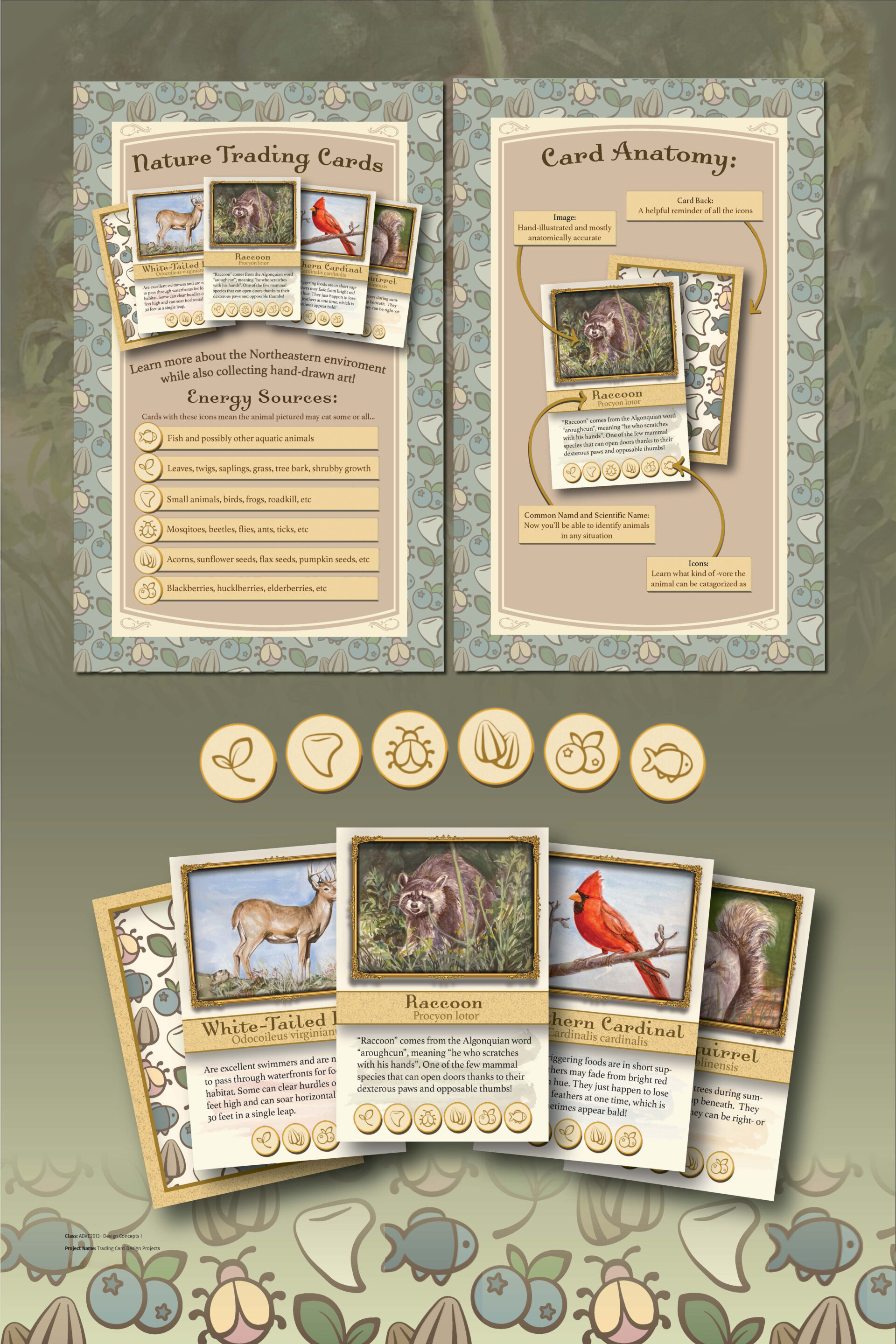
Fostering an inclusive and dynamic atmosphere is paramount to me. I develop an enviornment that encourages experimentation, interdisciplinary collaboration, and critical engagement with the materials and concepts presented. I showcase real-world challenges to the students in the form of assignments or projects they may actually experience working professionally to prepare them for what design is like in the workplace. I also strive to ensure that creators from multiple backgrounds, lived experiences, and identities are represented as examples of exceptional design within my classroom. This allows students many opportunities to find designers that they can see themselves reflected in. My goal is to guide students in their creative explorations while equipping them with the skills to critically analyze both their own work and that of others. For example, students build typographic arguments through a ‘For’ and ‘Against’ poster series, practice systems thinking through a trading card design system project, and translate layout and audience strategy into a book cover campaign that includes a full cover spread and promotional mockups.
I use a pedagogical approach that emphasizes open discussion, cooperative learning, and hands-on experiences. From the first day of class, I encourage openness, laughter, and collaboration, which helps to build a strong learning community and support each student’s individual growth. The students are provided multiple modes of instruction: live demonstrations, written instructions, and video walkthroughs to watch later. Just as every student has a different learning style, I have multiple presentation options that allow for engagement with new ideas and materials both within and outside the classroom. Through this approach, I create an environment where students feel comfortable taking creative risks, discussing ideas with their peers, and sharing their unique perspectives.
Through the creative, ideation, and construction phases of each project students are instructed on specific software and technology. Within the discussion and iteration phases of the learning process it is vital that students understand not just the tools they are using but also why they are using them. These tools are taught in context and tied directly to outcomes. Learning through this model fosters an understanding of what best practices are in a professional environment including workflow, tool usage, user experience, and output or final product. Understanding these core principles encourages students to reflect on and integrate the tools they are learning as a scalable workflow and professional practice alongside why they are learning them.
I believe that engaging with the world beyond the classroom is crucial to students’ growth as artists and critical thinkers. To this end, I incorporate professional practice elements such as community-engaged projects, case studies, and group work which allows students to experience the challenges of real-world design in the safety of a classroom. This enables students to see how their art can have an impact on individual consumers and in cultural contexts. Beyond that, I utilize individual classroom checkins, in-progress critiques, and final critiques where I provide students an opportunity to practice communicating about the concepts and language they are learning.
My goal is to ensure that students leave my classroom with both refined technical skills and the ability to communicate effectively through their work and be prepared for real-world situations. In my teaching practice, I draw on my own experiences as a working artist, illustrator, and designer – having exhibited and partnered with organizations nationally and internationally. Sharing this experience alongside the learning experience develops a deeper understanding of what they are creating while simultaneously honing their ability to communicate about it. Ultimately, my aim is to help students establish a sustainable artistic practice that they can carry beyond the academic setting into fulfilling careers and meaningful lives. I encourage students to explore the intersection of traditional and digital media thereby providing opportunities to synthesize these approaches in their projects.
Courses Taught
Adjunct Professor | Columbus College of Art & Design (Columbus, OH) | 2022–Present
- Intro to Drawing for Entertainment Design (Illustration – Advanced)
- Design Concepts I (Graphic Design – Advanced)
- Character and Environment Designs (Illustration – Advanced)
- Introduction to Illustration (Foundations)
- Introduction to Graphic Design (Foundations)
- Digital Design Lab (Foundations)
- College Preview – Illustration (Foundations/Community Outreach)
Instructor | Columbus College of Art & Design (Columbus, OH) | 2019–2020
- Introduction to Drawing – Adult Drawing
- Art & Storytelling: Visual Storytelling in Narrative Art
- Art for Me Art for We: Art for Social Activism
- Exploring Fiber Art: An Introduction to Contemporary Applications of Fiber Art
- Ceramics Survey: An Introduction to Ceramics Methods and Practices
Additional teaching-related items
- Saturday Morning Art Classes | Columbus College of Art & Design (Columbus, OH)
- Curriculum Development (foundational drawing and graphic design courses)
- Founder & Facilitator, Q-Kids | 2020–2022
Click HERE to read information about the projects presented within this portfolio.

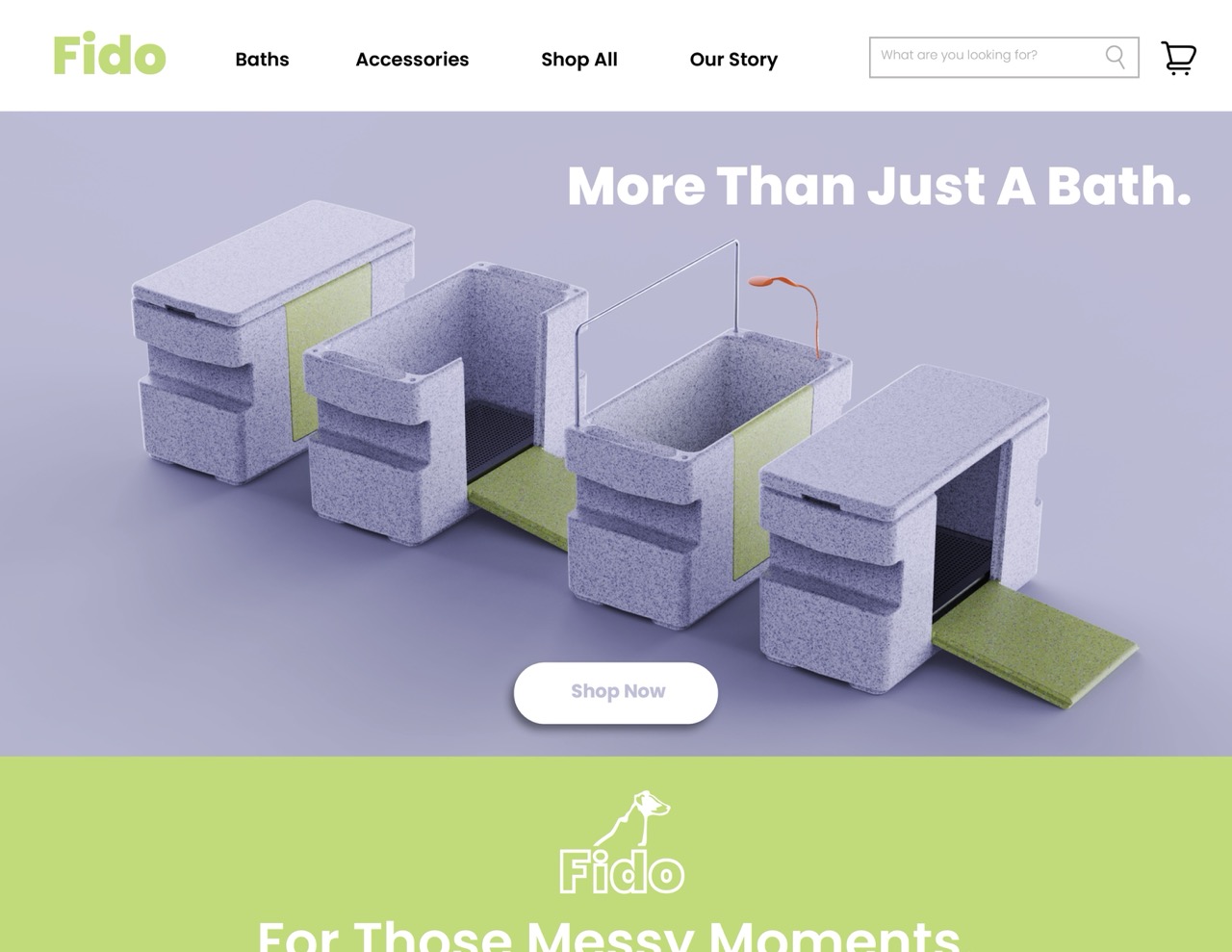
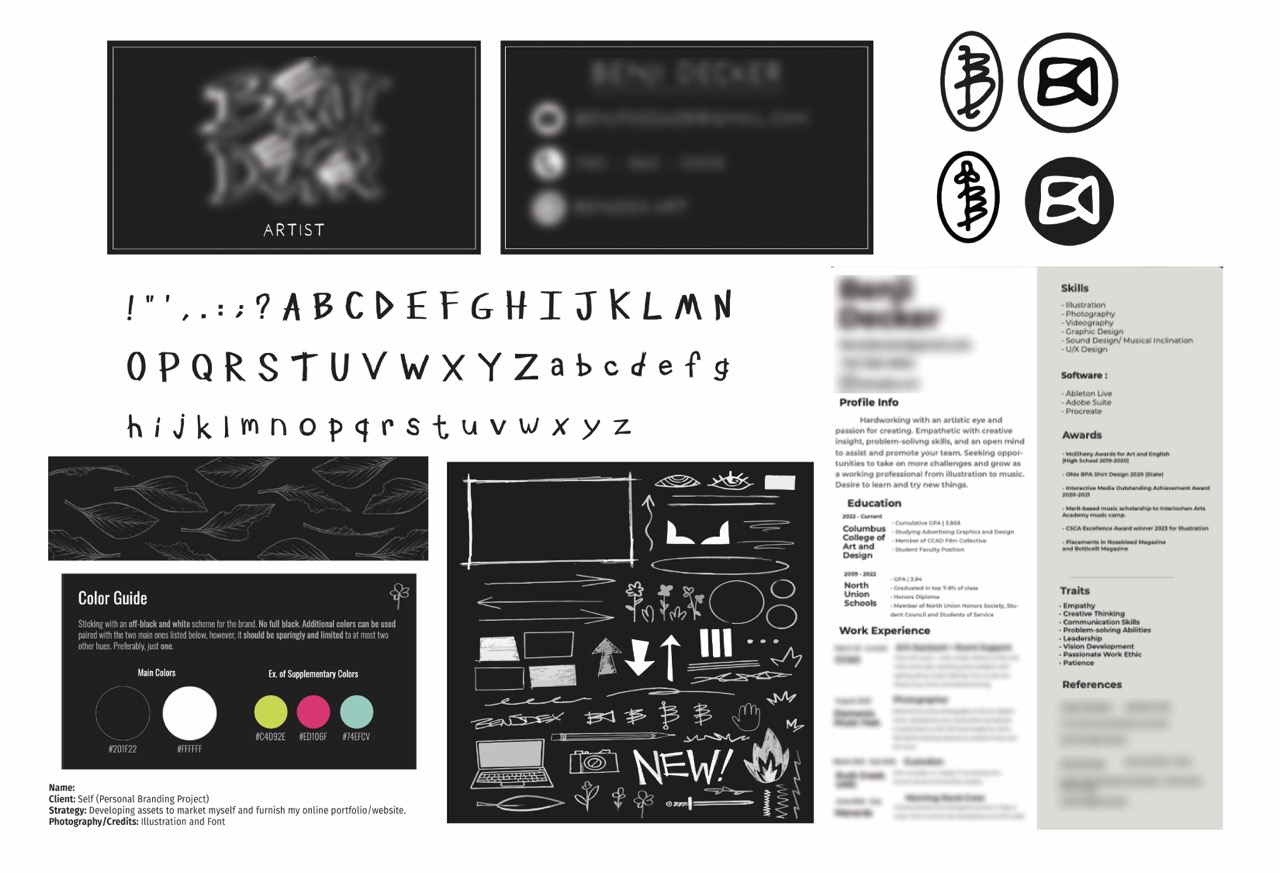
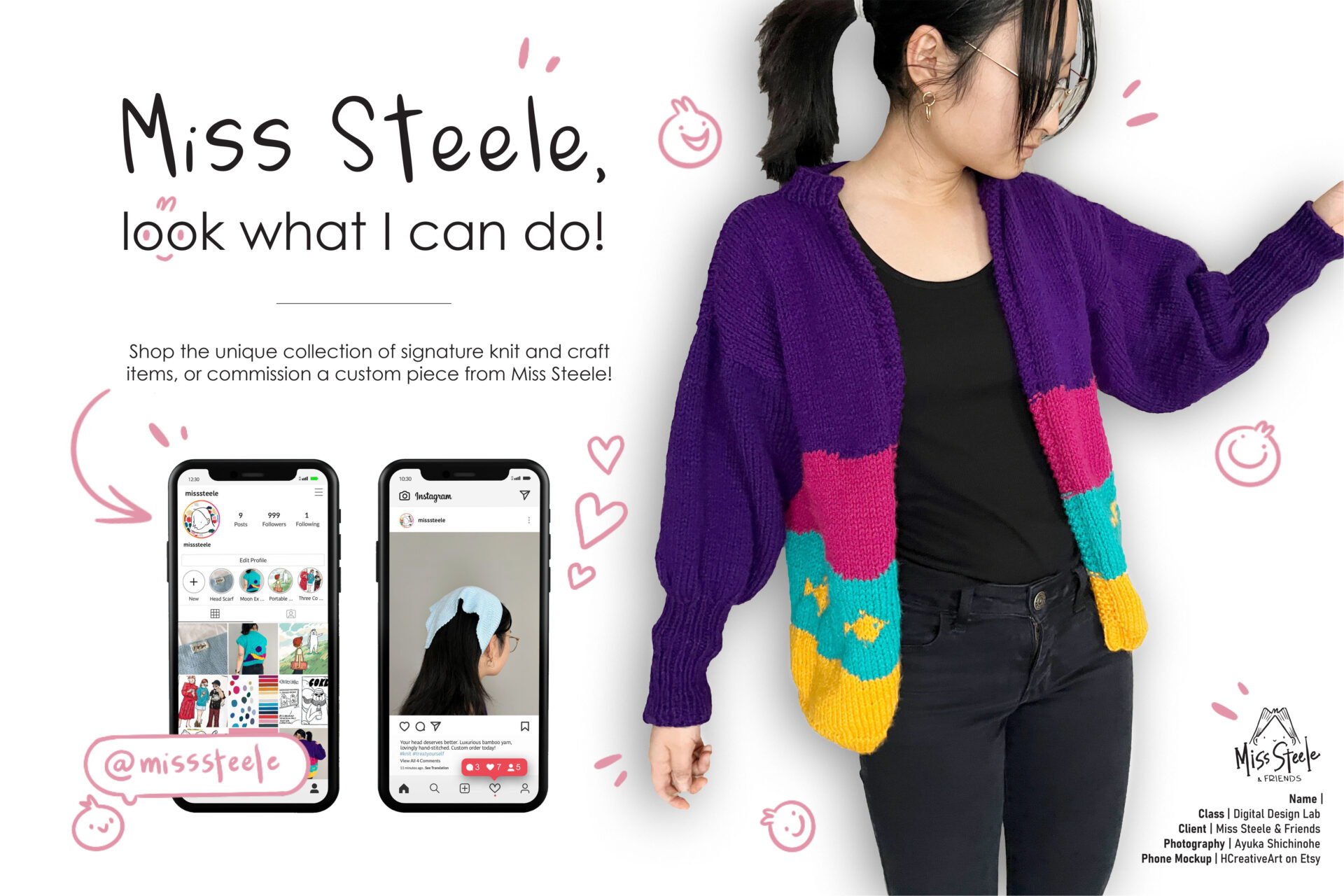

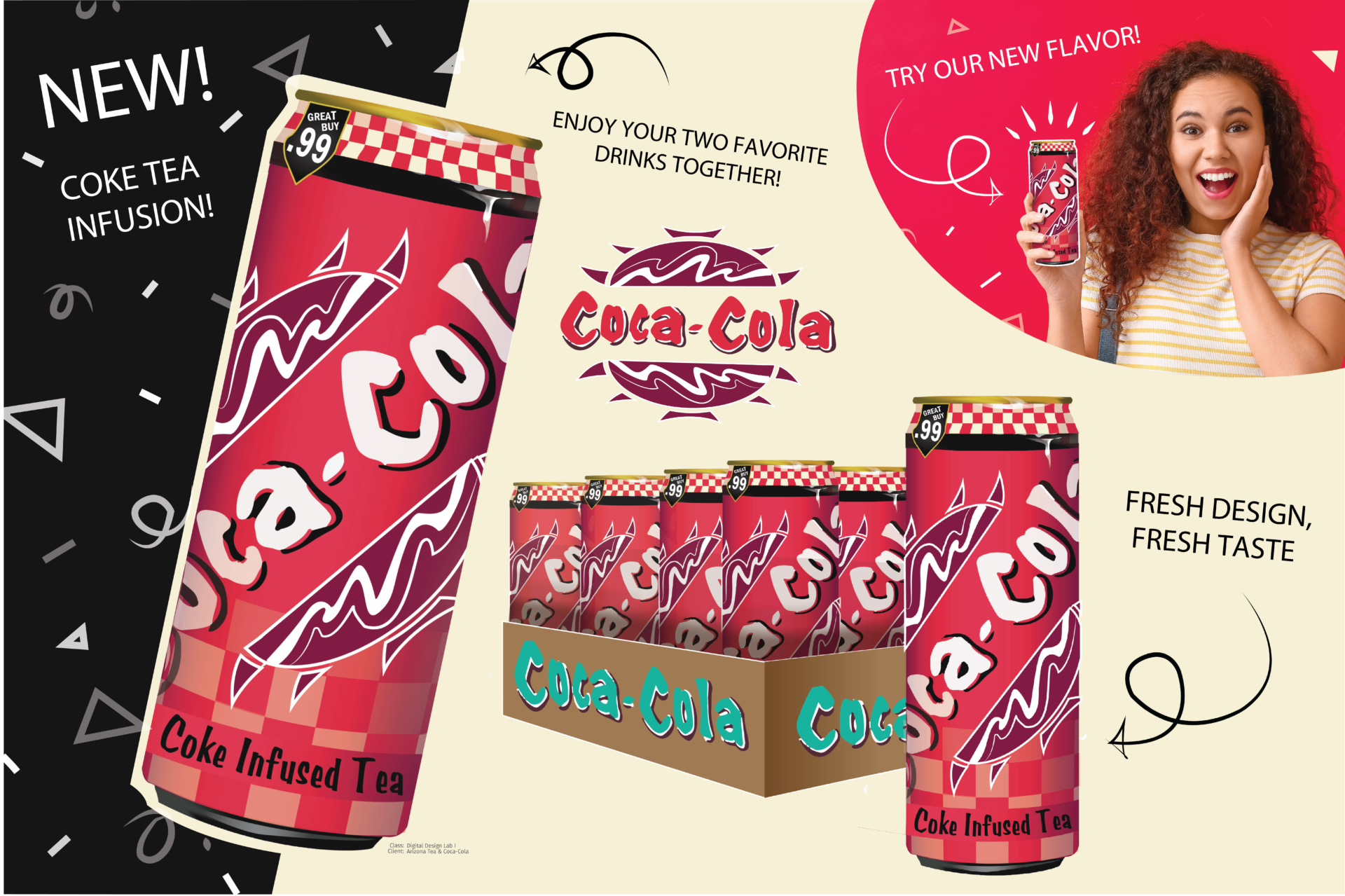
Student Work Portfolio: Assignments and Learning Objectives
CORE1018 Introduction to Graphic Design
Project 2: For and Against Posters
Students will be able to:
- Frame a communication problem for two contrasting causes, defining audience, message, and call to action using documented research.
- Design typographic compositions that use hierarchy, contrast, scale, and spacing to direct attention and support persuasion.
- Use typography, color, and sequencing to communicate tone and meaning appropriate to each position.
- Revise posters through critique and demonstrate improvement between iterations, documenting changes and rationale.
- Present and defend design decisions to peers using discipline vocabulary and properly cited sources.
ADVE/GDSN2013 Design Concepts I
Project 1: Trade and Trading Card Design
Students will be able to:
- Develop a small-format visual communication system that integrates typography, images, icons, and pattern into a coherent set.
- Design a repeatable information hierarchy and layout structure that supports clarity and user understanding across multiple cards.
- Plan and execute a design process from research and ideation through production, critique, and revision.
- Produce print-ready files that demonstrate technical competence with format, bleed, resolution, and production conventions.
- Document process and present the system as a portfolio-ready case study, articulating decisions and constraints.
Project 2: Branding and Packaging
Students will be able to:
- Conceive and develop an identity system using brand attributes, typography, color, and graphic elements that remain consistent across touchpoints.
- Create strategies for planning and producing packaging and collateral that communicate clearly to an intended audience.
- Build and apply a scalable design system across multiple deliverables, demonstrating consistency at the level of components and the full product experience.
- Collaborate effectively in a team by defining roles, integrating contributions into a unified system, and presenting outcomes professionally.
- Demonstrate professional and ethical practice through proper attribution, file organization, and production-ready deliverables.
ADVE/CORE2291 Digital Design Lab
Project 2: Illustrator Techniques
Students will be able to:
- Demonstrate technical competence in vector construction and typographic form control to produce clean, scalable assets.
- Design and apply a cohesive visual system including a logo direction, supporting patterns, and brand elements across multiple contexts.
- Use typography, images, and layout hierarchy effectively in campaign or product applications, including mockups and presentation boards.
- Evaluate and revise work based on critique, documenting iterations and rationale.
- Present work clearly to peers using professional design vocabulary and appropriate evidence.
Project 3: Book Cover Design Campaign
Students will be able to:
- Construct a cohesive book cover system (front, spine, back) with clear typographic hierarchy and audience-appropriate tone.
- Integrate required publishing components and constraints while maintaining readability, composition, and message clarity.
- Use non-destructive image workflows and layout systems to support professional production and dissemination of the design.
- Create mockups and a presentation board that communicate the design system and promotional intent effectively.
- Defend design decisions with research-informed rationale and critique-based revision evidence.
Project 5: Self-Directed Design Project
Students will be able to:
- Define a design problem and scope, including audience and deliverables, and plan a realistic production process.
- Incorporate research about people and context into design decisions, then revise work based on critique and testing feedback where appropriate.
- Develop a cohesive communication system across chosen deliverables, demonstrating consistent hierarchy, typography, and visual logic.
- Demonstrate technological competence by selecting appropriate tools and maintaining professional workflow standards and file deliverables.
- Document and present the project as a portfolio-ready case study that communicates intent, process, and outcomes to an external audience.